What You Need to Know About Household Electrical Repairs
- Always prioritize safety – turn off power before any repair work
- Use proper tools and protective equipment for electrical work
- Know your limitations – complex repairs should be left to professionals
- Regular maintenance can prevent major electrical issues
- Understanding basic electrical components can help diagnose problems
- Warning signs like flickering lights or buzzing sounds need immediate attention
Introduction to Household Electrical Repairs
Electrical systems are the backbone of modern homes, powering everything from essential appliances to entertainment devices. When these systems fail, it can disrupt daily life and potentially create dangerous situations. Understanding how to handle household electrical repairs safely can save you money and prevent hazards. Proper knowledge of electrical systems also enables homeowners to communicate more effectively with professionals and make informed decisions about when to attempt repairs themselves versus when to call in experts.
According to the National Fire Protection Association, home electrical problems cause approximately 51,000 fires each year, resulting in nearly 500 deaths and more than 1,400 injuries. This sobering statistic highlights why proper electrical repair knowledge is crucial for homeowners. While some minor repairs can be handled by homeowners with basic knowledge, others require professional expertise to ensure safety and compliance with electrical codes.

This guide will help you understand when to tackle a repair yourself and when to call in professional electricians. We’ll cover common household electrical issues, provide safety guidelines, and offer insights into preventive maintenance to keep your electrical system functioning properly. By the end of this comprehensive guide, you’ll have a better understanding of your home’s electrical system, be able to identify potential problems before they become serious hazards, and know how to approach repairs with confidence and safety in mind.
Understanding Your Home’s Electrical System
Before attempting any electrical repairs, it’s important to understand the basic components of your home’s electrical system. This knowledge will help you identify issues and communicate effectively with professionals when needed. A comprehensive understanding of how electricity flows through your home empowers you to make informed decisions about repairs and upgrades, potentially saving time, money, and preventing dangerous situations from developing.
Your home’s electrical system starts at the service entry, where power enters from utility lines. From there, it flows to the electrical panel (sometimes called a breaker box or fuse box), which distributes power throughout your home via circuits. Each circuit is protected by either a circuit breaker or fuse that trips or blows when the circuit is overloaded, preventing potential fires or damage. These protective devices are crucial safety features that interrupt the flow of electricity when abnormal conditions are detected, such as overloads, short circuits, or ground faults that could otherwise lead to overheating, fires, or electrical shocks.
Modern homes typically have 100-200 amp service, though older homes might have as little as 60 amps. According to recent studies, about 62.5% of U.S. single-family homes have electrical panels of 200A capacity or more, while 29.5% have capacities of 100A or less. Homes built before 1960 are 5-9 times more likely to have panels with capacities of 100A or less compared to those built after 2000. This is important because today’s households use much more electricity than homes did decades ago, with modern appliances, electronics, and HVAC systems placing greater demands on electrical systems that may not have been designed to handle such loads.
Main Components of a Home Electrical System
Understanding these key components will help you better diagnose problems:
- Service Entry: Where power enters your home from the utility company’s lines, typically consisting of weatherhead, insulators, and service cable
- Electrical Panel: Contains circuit breakers or fuses that distribute power throughout the home and provide protection against overloads and short circuits
- Circuit Breakers/Fuses: Safety devices that prevent overloads by interrupting the flow of electricity when abnormal conditions are detected
- Wiring: Carries electricity throughout your home, typically copper or aluminum conductors protected by insulation and contained within approved raceways
- Outlets and Switches: Access points for using electricity, with various types designed for specific purposes and locations
- GFCI Outlets: Special outlets that prevent shock in wet areas by quickly cutting power when they detect current leakage as small as 4-6 milliamps
- AFCI Breakers: Prevent fires from arcing faults by detecting the specific electronic signature of an arc and disconnecting power before a fire can start
- Grounding System: Safety system that provides a path for fault currents to safely return to earth, protecting both people and equipment
- Subpanels: Secondary distribution panels that extend the main panel’s capacity to serve areas like detached garages or home additions
Safety First: Essential Precautions for Electrical Work
When dealing with electricity, safety should always be your top priority. Electrical accidents can cause severe injuries, fires, or even fatalities. According to the Electrical Safety Foundation International, home electrical fires account for an estimated 51,000 fires each year, causing nearly 500 deaths and more than 1,400 injuries. The U.S. Consumer Product Safety Commission reports that electrical receptacles alone are involved in approximately 5,300 fires every year, which shows how important proper electrical safety practices are in every home.
Before attempting any electrical work, even something as simple as replacing an outlet or light switch, you must take proper safety precautions to protect yourself and your home. The most important rule is to always turn off the power to the circuit you’re working on at the breaker box or fuse panel. Never rely on a wall switch being off as your only safety measure, as switches can fail or circuits may be wired in unexpected ways. Additionally, even after turning off the power, always verify that the circuit is dead using a reliable voltage tester before touching any wires or terminals.
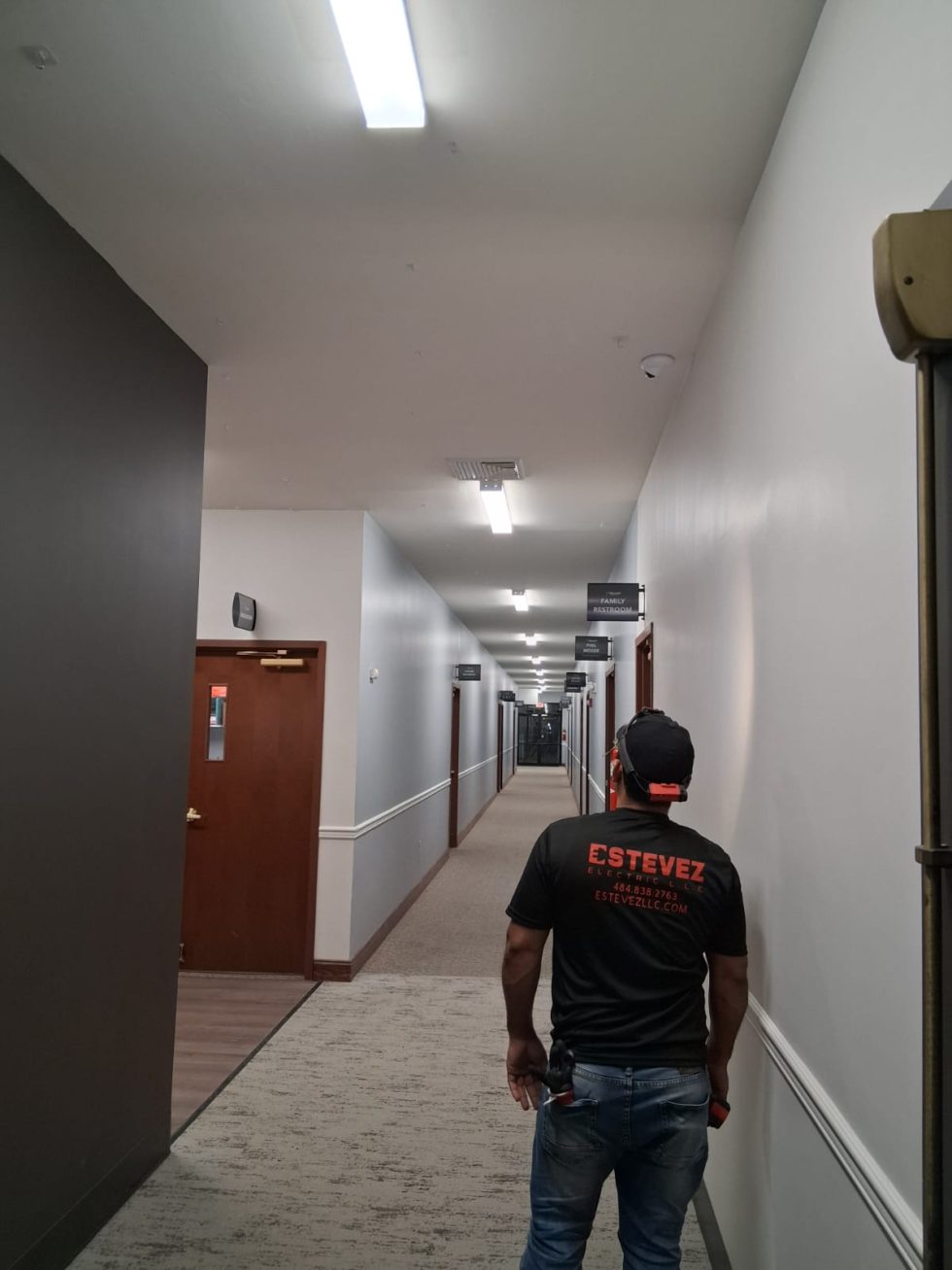
Here are essential safety measures to follow when performing electrical repairs:
- Turn off the power at the circuit breaker or fuse box – identify the correct circuit and switch it completely off before beginning work
- Verify power is off using a voltage tester – never skip this critical step, as mislabeled breakers are common in many homes
- Use insulated tools designed for electrical work – these tools have special coatings that provide protection against accidental contact with live circuits
- Wear protective gear including rubber-soled shoes and insulated gloves – proper personal protective equipment creates additional layers of safety
- Work in dry conditions – never when standing in water or in wet areas, as moisture dramatically increases the risk of electrical shock
- Keep a fire extinguisher rated for electrical fires nearby – Class C extinguishers are specifically designed for electrical fires
- Know your limits and call a professional for complex issues – recognizing when a job exceeds your expertise is itself an important safety measure
- Never work alone on electrical projects – having someone nearby who can help in case of emergency could be lifesaving
- Remove metal jewelry before working with electricity – watches, rings, and bracelets can conduct electricity and increase shock risk
- Use proper ladder safety when working on overhead fixtures – use fiberglass ladders rather than metal ones for electrical work
Common Household Electrical Problems and DIY Solutions
Many common electrical issues can be safely addressed by homeowners with basic knowledge and proper precautions. Understanding these problems and their solutions can save you money and minimize disruption to your daily life. However, it’s crucial to approach any electrical work with caution and to recognize when a problem exceeds your skill level or presents safety concerns that warrant professional attention.
1. Tripping Circuit Breakers
Circuit breakers trip when circuits are overloaded, preventing potential fires or damage. This often happens when too many high-power devices are used on the same circuit. According to electrical safety experts, a typical 15-amp circuit can handle a maximum load of 1,800 watts, while a 20-amp circuit handles 2,400 watts. Understanding these limitations is essential for preventing overloads and maintaining a safe electrical system in your home. It’s worth noting that circuits should ideally operate at no more than 80% of their maximum capacity for continuous loads, meaning a 15-amp circuit should ideally not exceed 1,440 watts of continuous use.
If your circuit breaker trips frequently, try to identify which appliances are running on the affected circuit and redistribute high-power appliances to different circuits. To reset a tripped breaker, switch it fully to the off position, then back to on. If the problem persists, there may be a more serious issue requiring professional attention. Persistent tripping could indicate a short circuit, ground fault, or deteriorating wiring insulation, all of which pose significant fire hazards and should be addressed promptly by a qualified electrician.
2. Flickering Lights
Flickering lights can indicate loose connections, overloaded circuits, or problems with the fixture itself. Start by checking if the bulb is properly screwed in and replace it to see if that resolves the issue. If multiple lights flicker, especially when high-power appliances turn on, you may have an overloaded circuit or a more serious wiring issue that requires professional assessment. Consistent flickering across multiple fixtures often points to problems at the electrical panel or even issues with the utility company’s service to your home.
Warning Signs: When to Call a Professional Immediately
- Burning smells from outlets or fixtures – indicates overheating and potential fire hazard
- Sparking from outlets – suggests loose connections or short circuits that could ignite nearby materials
- Discolored outlets or switches (indicates heat damage) – evidence of previous overheating that could recur
- Frequent circuit breaker trips – points to persistent overloads or short circuits
- Electric shocks when touching appliances – suggests improper grounding or dangerous voltage leakage
- Buzzing or sizzling sounds from electrical components – indicates arcing or loose connections
- Warm or hot outlets and switches – abnormal heat generation that could lead to fire
- Frequently blown light bulbs – may indicate voltage problems or improper wiring
These symptoms could indicate serious issues that pose fire or shock hazards and require immediate professional attention. Delaying repairs for these warning signs significantly increases the risk of property damage, injury, or even fatality.
3. Dead Outlets
Outlets that stop working can be caused by tripped circuit breakers, loose connections, or worn-out receptacles. First, check if the circuit breaker has tripped and reset it if necessary. Next, check if the outlet has GFCI protection (with test and reset buttons) and press the reset button if it has tripped. For persistent issues, you may need to replace the outlet, but be sure to turn off power at the breaker before attempting this repair. When replacing outlets in kitchens, bathrooms, garages, or outdoor locations, make sure to install GFCI outlets as required by current electrical codes to prevent shock hazards in these potentially wet locations.
4. Light Switches Not Working Properly
Faulty switches can cause lights to flicker, work intermittently, or fail completely. After turning off power to the switch at the circuit breaker, you can remove the switch plate and check for loose connections. If the switch itself is faulty, you can replace it with a new one of the same type. Remember to connect the wires in the same configuration as the original switch. When dealing with three-way switches (where two switches control the same light), the wiring configuration is more complex, and it’s essential to note exactly how the original switch was wired before disconnecting anything. Taking photos with your smartphone before disassembly can provide valuable reference during reassembly.
While these repairs may seem simple, they should only be attempted if you feel comfortable working with electricity and have taken all necessary safety precautions. When in doubt, contact a licensed electrician. Remember that electrical work often requires permits and inspections in many places, particularly for new installations or significant changes to existing systems. Professional electricians understand these requirements and ensure that all work complies with local building codes.
When to Call a Professional Electrician
While some electrical repairs can be handled as DIY projects, many situations require professional expertise. According to electrical safety statistics, electrical failures or malfunctions are responsible for 13% of US home structure fires, accounting for 15% of civilian deaths and 21% of direct property damage. These statistics show the serious consequences that can result from improper electrical work or unaddressed electrical problems. The Electrical Safety Foundation International further reports that home electrical fires kill nearly 500 people annually and injure more than 1,400, with property damage exceeding $1.3 billion.
Licensed electricians have the training, tools, and knowledge to safely handle complex electrical issues and ensure all work complies with local building codes. Here’s when you should definitely call a professional:
Complex Electrical Issues
Professional electricians should handle:
- New circuit installation for appliances or home additions – requires knowledge of load calculations and code requirements
- Panel upgrades to increase your home’s electrical capacity – involves working with the main power feed, which carries lethal voltage
- Whole-house rewiring, especially in older homes – requires opening walls and understanding outdated wiring methods
- Recurring problems that persist despite simple fixes – may indicate hidden issues within walls or the electrical panel
- Any work that requires permits or inspections – professionals understand local code requirements and maintain relationships with inspectors
- Outdoor electrical work for security lighting or outlets – requires special materials and techniques to withstand environmental exposure
- Installation of specialized systems like whole-house surge protection – demands precise integration with your electrical panel
- Generator installation and transfer switch setup – involves critical safety systems to prevent backfeeding into utility lines
- Smart home electrical integration – requires understanding of low-voltage systems and their interaction with standard electrical systems
- Troubleshooting intermittent electrical issues – benefits from professional diagnostic equipment and experience
Working with licensed electricians offers several advantages:
First, professionals have the training to work safely with electrical systems and understand potential hazards that may not be obvious to homeowners. They understand and follow building codes, ensuring your home meets safety standards and will pass inspections. Professional work typically comes with warranties that protect you if problems arise after the work is completed.
Many insurance policies require professional installation and repairs to maintain coverage for electrical-related incidents. Professionals address root causes, not just symptoms, preventing recurring issues and additional expenses down the line. They have specialized tools and testing equipment that most homeowners don’t possess, and can complete work more quickly and with fewer complications than most DIYers.
It’s worth noting that DIY electrical work can void your home insurance coverage. Many insurance companies require electrical work to comply with local codes and be performed by licensed professionals. Improper electrical work that leads to fire damage may result in denied insurance claims. According to insurance industry studies, homes with DIY electrical modifications have a significantly higher risk of electrical fires, and many insurers specifically exclude coverage for damage resulting from non-professional electrical work. The financial consequences of a denied insurance claim could far exceed the cost of hiring a professional electrician in the first place.
Preventive Maintenance for Electrical Systems
Regular maintenance can prevent many electrical problems before they occur. Implementing a preventive maintenance routine can save you money on repairs and extend the life of your electrical system. According to the Electrical Safety Foundation International, 65% of home fire deaths result from fires in homes with no working smoke detectors, highlighting the importance of regular safety checks. This statistic shows how simple preventive measures can literally save lives when it comes to electrical safety in the home.
Preventive maintenance not only improves safety but can also help identify energy efficiency opportunities and potential problems before they become serious hazards. Energy-efficient electrical systems can significantly reduce your utility bills while providing better performance. The U.S. Department of Energy estimates that homeowners can save 5-30% on energy bills through improved electrical efficiency, which often begins with proper maintenance and upgrades to outdated components.
Preventive Maintenance Checklist
- Monthly: Test GFCI outlets and smoke detectors – press test buttons and verify proper operation
- Quarterly: Check for loose outlets or switches – look for any that feel warm or wiggle in the wall
- Annually: Inspect circuit breaker panel for issues – look for rust, corrosion, or discoloration
- Every 3-5 Years: Schedule professional electrical inspection – have a licensed electrician perform a comprehensive system evaluation
- As Needed: Replace damaged cords, outlets, or fixtures – never continue using visibly damaged electrical components
- Seasonally: Check outdoor electrical connections and weatherproofing – ensure water-tight seals remain intact
- After Storms: Verify surge protectors are functioning – replace any that have absorbed power surges
Essential maintenance tasks include regularly inspecting outlets, switches, and fixtures for signs of damage or wear, such as discoloration, cracks, or unusual warmth during operation. You should test GFCI outlets monthly by pressing the test and reset buttons to ensure they trip properly and interrupt power as designed. Check your circuit breaker panel for signs of overheating or corrosion, which may indicate problems with specific circuits or the panel itself.
Keep heat-producing appliances away from flammable materials and ensure they have adequate ventilation to prevent overheating. Schedule professional inspections every 3-5 years, especially for older homes, to identify hidden issues like deteriorating wire insulation or outdated components. Watch for unusual electrical behavior, such as frequently tripping breakers or flickering lights, which often indicate developing problems. Make sure all electrical appliances and equipment are certified by recognized testing laboratories like UL (Underwriters Laboratories).
If your home is more than 20 years old, it’s particularly important to have regular professional inspections. According to research, approximately 81% of electrical fire hazards occur in homes greater than 20 years old, with electrical infrastructure hazards skewing even more toward older homes (90% in homes over 20 years old). These statistics highlight the increased risk associated with aging electrical systems and components, which may not meet current safety standards or may have deteriorated over time due to heat cycling, environmental factors, or normal wear and tear.
Cost Considerations for Electrical Repairs
Understanding the potential costs of electrical repairs can help you budget appropriately and make informed decisions about DIY versus professional services. Several factors influence the cost of electrical repairs:
The complexity of the issue affects cost – simple fixes cost less than complex rewiring, with basic outlet replacements typically costing $75-150 while complete rewiring may run $8,000-15,000 for an average home. Hard-to-reach areas may require more labor, potentially increasing costs by 25-50% compared to easily accessible locations. Higher quality materials increase costs but offer better longevity, with premium components often costing 30-100% more than basic options.
Costs vary by region, with metropolitan areas typically charging 20-40% more than rural locations for the same services. After-hours or emergency repairs typically cost 1.5-2 times the standard rate due to overtime and priority scheduling. Some repairs require permits, adding to overall costs, with permit fees ranging from $50-500 depending on the scope of work and local regulations.
Older homes often present unexpected challenges during repairs, potentially increasing costs by 15-30% compared to newer construction. Bringing outdated systems up to current code requirements can significantly increase project costs but is essential for safety.
Common Repair Cost Ranges
- Outlet/Switch Replacement: $75-150 per unit, including parts and labor
- Circuit Breaker Replacement: $100-200 for standard breakers, $200-300 for GFCI/AFCI breakers
- Ceiling Fan Installation: $150-350, depending on complexity and existing wiring
- Electrical Panel Upgrade: $1,000-4,000, varying by amperage increase and local requirements
- Whole House Rewiring: $3,000-8,000+ for average homes, potentially higher for larger or older properties
- Troubleshooting Electrical Issues: $75-200 per hour, with most diagnostics requiring 1-3 hours
- Generator Installation: $3,000-10,000 depending on size and integration complexity
*Costs are approximate and may vary based on location and specific circumstances
While DIY repairs can save money upfront, consider the potential costs of mistakes. Improper electrical work can lead to damage, injuries, or even fires. When weighing DIY versus professional services, factor in not just the immediate cost but also the potential long-term consequences and safety risks. The National Fire Protection Association estimates that electrical fires cause approximately $1.3 billion in property damage annually, with a significant portion attributed to improper installations and repairs. This figure doesn’t include the incalculable cost of injuries and lost lives, which far outweighs any potential savings from DIY electrical work.
For example, replacing an electrical panel is a significant investment, typically costing between $1,500-$5,000, but it’s a critical safety upgrade for homes with outdated panels. Homes with outdated fuse systems have nearly twice the likelihood of electrical fires compared to homes with modern breakers. The long-term benefits of professional panel upgrades include improved safety, increased home value, support for modern appliances, and potentially lower insurance premiums, making this investment worthwhile despite the upfront cost.
Conclusion: Balancing DIY and Professional Electrical Work
Managing household electrical repairs requires a balanced approach that puts safety first while considering cost-effectiveness. While many minor issues can be addressed through DIY methods, complex problems demand professional expertise. Finding this balance is key to maintaining a safe, functional electrical system while managing your home maintenance budget responsibly.
The key to successful electrical maintenance is knowing your limitations. Simple tasks like replacing outlets or light fixtures can often be safely handled by homeowners who take proper precautions. However, more involved projects like circuit additions, panel upgrades, or troubleshooting persistent problems are best left to licensed professionals. Understanding which category a particular repair falls into can prevent dangerous situations and costly mistakes. As a general rule, if you feel uncertain about any aspect of an electrical repair, it’s better to consult a professional than to proceed with doubt.
Remember that when it comes to electricity, safety should always be your primary concern. Electrical fires account for approximately 51,000 fires annually, resulting in nearly 500 deaths and more than 1,400 injuries. Taking proper safety precautions and knowing when to call in professional help can prevent you from becoming part of these statistics. The modest cost of professional electrical services is nothing compared to the potential costs of electrical accidents, both in terms of property damage and, more importantly, human life.
Regular maintenance and prompt attention to warning signs can prevent many electrical issues from developing into serious problems. By staying alert and addressing small issues before they get worse, you can maintain a safe and efficient electrical system while minimizing repair costs. Following a consistent maintenance schedule, including professional inspections every 3-5 years, creates a proactive approach to electrical safety that can identify potential problems before they create hazardous conditions or require expensive emergency repairs.
Whether you’re tackling a simple repair yourself or hiring a professional for more complex work, understanding your home’s electrical system empowers you to make informed decisions that keep your home safe and your electrical systems running smoothly. This knowledge allows you to communicate effectively with professionals, recognize when DIY approaches are appropriate, and stay aware of the warning signs that indicate potential electrical problems. With the right balance of DIY maintenance, professional services, and ongoing vigilance, you can enjoy the benefits of a reliable, efficient, and safe electrical system for years to come.